Duration
4 months
Role
Design System Manager
Success Metric
Reduce speed from concepting to production
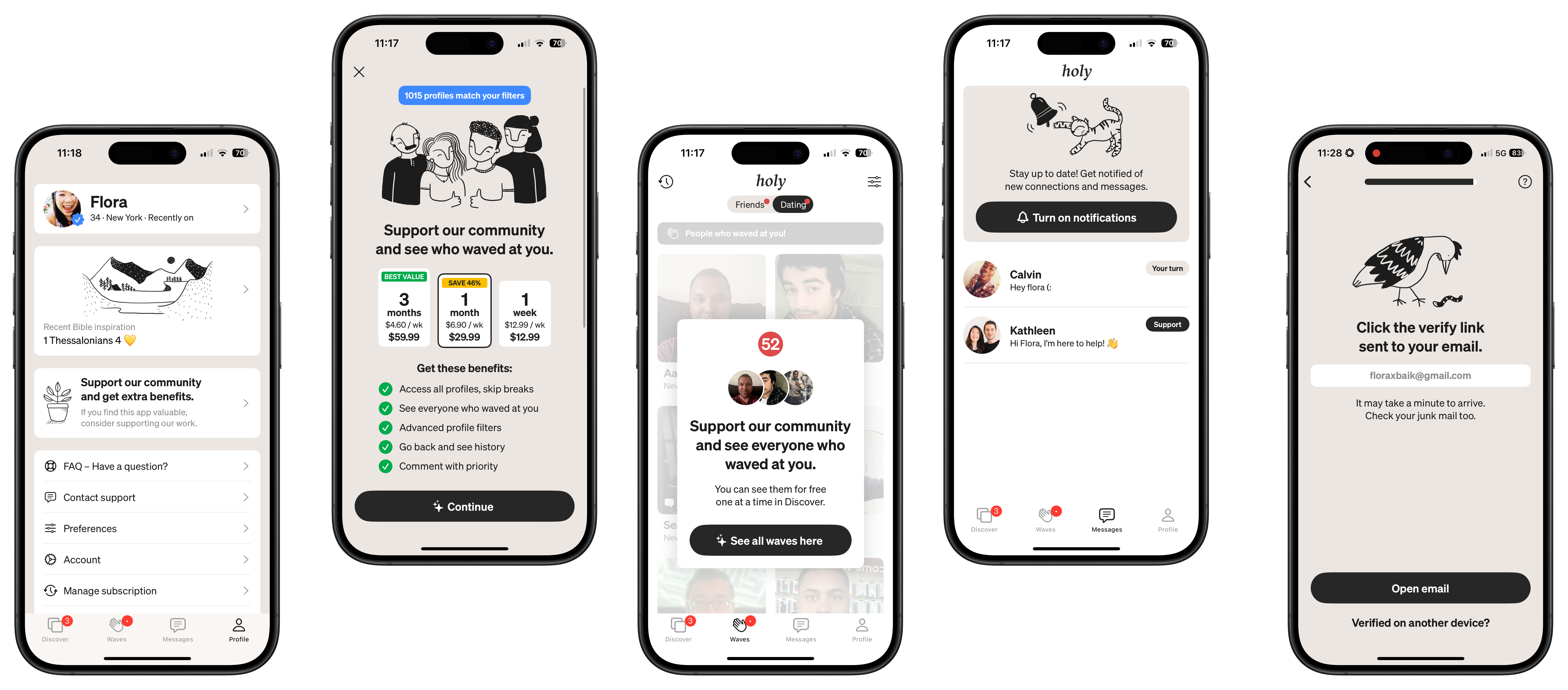
A married couple founded the company in 2018 and bootstrapped it from the ground up. By 2022, they had scaled it to be revenue-positive. From the start, they prioritized quality control and brand consistency, ensuring the app stayed true to their vision.
They have accomplished a lot, but the design system itself remained largely untouched. Now, as they look to scale the team and bring on another designer, the need to accelerate development, standardize components, and strengthen quality control has become a priority.
Main Challenges

The Process
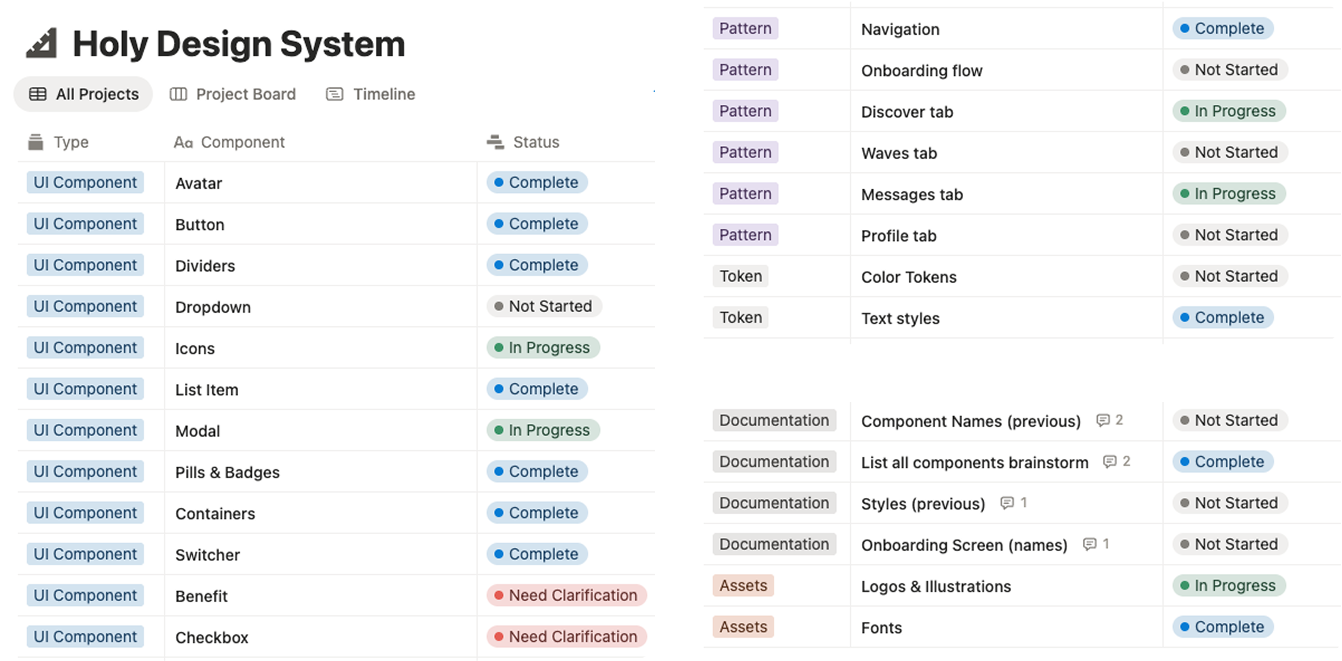
Project Management
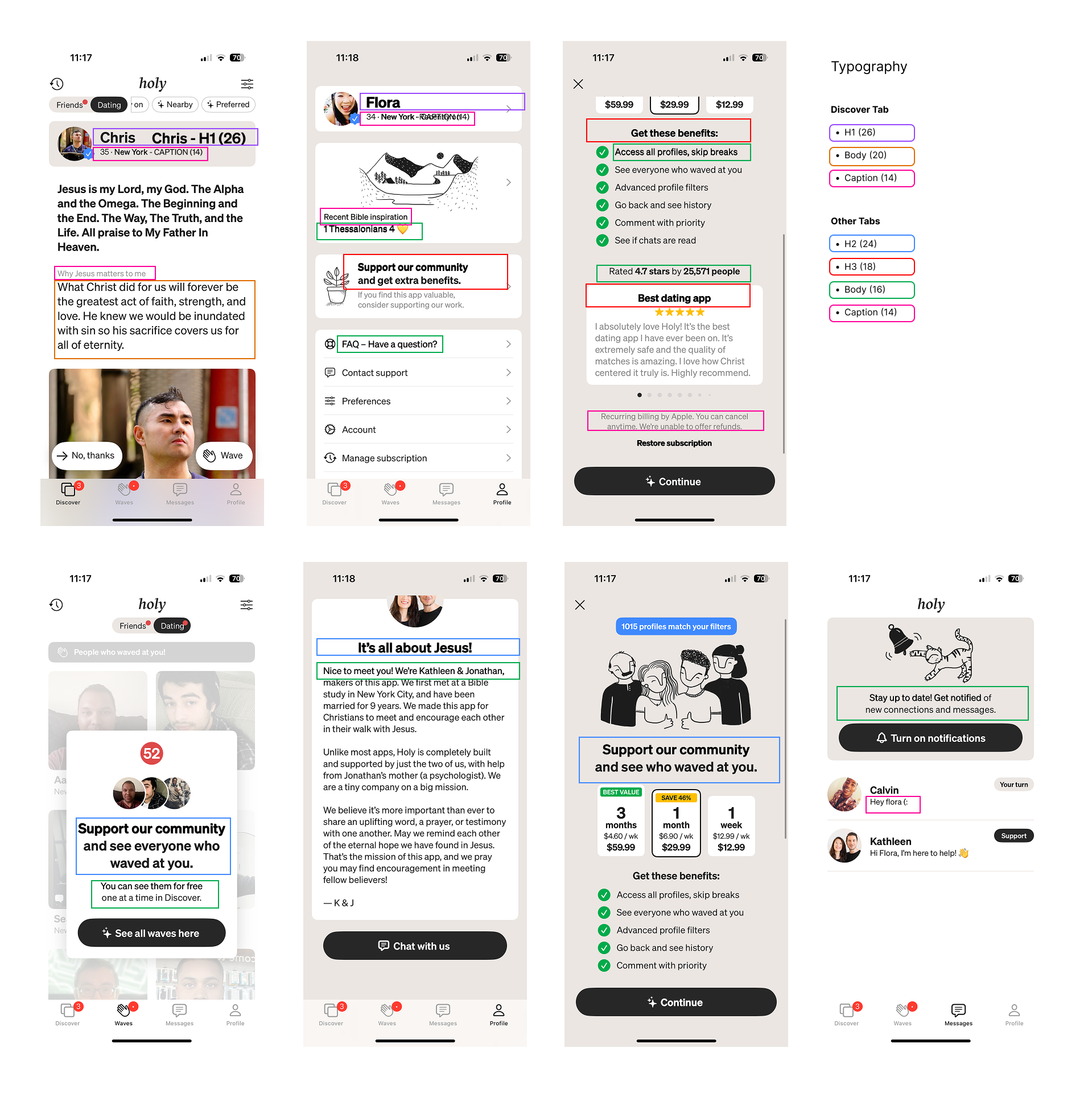
Typography Audit
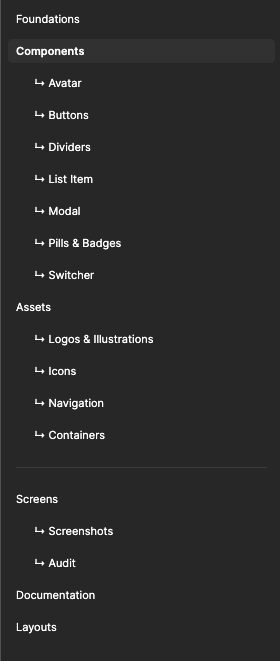
Figma Library Management
Wrap Up
Measurement
concept to release date
Takeaways
As I set this up, I couldn’t help but question whether the effort might be overshadowed in this new era of AI. If the true pain point is rapid concepting and speed to market, then a traditional design system alone isn’t the full solution. Tools like Builder.io, which can generate clean, production-ready code, may address many of their challenges more directly.
That said, the value of a strong design system foundation remains constant. It ensures consistency, scalability, and brand integrity no matter what tools evolve around it. In that sense, this work isn’t a waste at all—it’s a future-proofing layer that enables them to adopt faster, more AI-driven workflows without sacrificing quality.